Cosmetic Dentistry Bakersfield CA and Modern Smile Design
A cosmetic dental consultation rarely starts with teeth. It starts with a person deciding that something feels off when they smile in photos, speak in meetings, or catch their reflection in a storefront window. Sometimes the complaint is obvious, like staining that no whitening toothpaste has touched in years. Sometimes it is subtle, a front tooth that looks slightly shorter after a bicycle fall in college, or edges that have worn down little by little from clenching at night. What people call a “better smile” usually turns out to mean something more specific, more personal, and more nuanced than bright white teeth.
That is where modern smile design has changed the conversation. Good cosmetic dentistry is no longer just about making teeth lighter or straighter. It is about matching shape, proportion, texture, translucency, lip movement, facial symmetry, and bite function to the individual wearing the smile. In a place like Bakersfield, where patients span every age group and every kind of work life, from oil and agriculture to healthcare, education, and public-facing business roles, the best cosmetic treatment plans are built around real daily demands, not a generic before-and-after ideal.
When people search for Cosmetic Dentistry Bakersfield CA, they are often looking for more than a list of services. They want to know what modern care actually looks like, what options are worth considering, what results are realistic, and how to avoid spending money on treatment that looks artificial or fails early. Those are smart questions.
What modern smile design really means
Smile design is the process of planning cosmetic improvements with the whole face in mind. The teeth matter, of course, but so do the lips, the way the smile line follows the lower lip, the visible gum display, the width of the smile in relation to the face, and the way the front teeth appear during speech. A well-designed smile does not look “done.” It looks healthy, balanced, and believable.
Twenty years ago, many cosmetic cases leaned heavily toward one visual goal, bright and uniformly shaped teeth. Some of those cases still look acceptable. Many do not. They can appear flat, opaque, too square, too white, or disconnected from the patient’s age and facial features. Modern cosmetic planning is more refined. Dentists and ceramists pay closer attention to character details such as incisal translucency, surface texture, slight asymmetry that keeps the smile natural, and the way light reflects off ceramic versus enamel.
A patient in their late 20s usually should not leave treatment with teeth that resemble a denture set made for someone several decades older. On the other hand, a mature patient may not want a smile that appears aggressively youthful and unnatural against their facial structure. Good judgment matters as much as technical skill.
The first appointment is often diagnostic, not procedural
One of the clearest signs of a thoughtful cosmetic practice is that the first visit is not rushed into treatment. It is spent understanding the patient’s goals, habits, history, and limitations. A dentist may take photos from several angles, evaluate the bite, look at wear patterns, assess gum health, review old restorations, and ask when the patient first noticed the concern.
This matters because cosmetic issues often sit on top of functional issues. The patient who wants bonding on chipped front teeth may also be grinding heavily at night. The person who asks for veneers because their teeth look short may actually have significant wear and a collapsed bite. Someone asking for whitening may have internal discoloration on a root canal-treated tooth that will not respond the same way as surrounding enamel.
These details shape the treatment plan. They also prevent disappointment. Cosmetic dentistry works best when the diagnosis is precise.
Bakersfield patients often want attractive results that still look practical
There is a style preference that comes up often in real practice, and it is worth naming. Many patients do want a visible improvement, but they do not want a smile that announces expensive dental work from across the room. They want coworkers to say, “You look great,” not “Which veneers did you get?” That is a very different design brief.
In Cosmetic Dentistry Bakersfield CA, the demand tends to favor smiles that look clean, healthy, and natural in daylight, not just under office photography. Bakersfield has intense sun, plenty of outdoor activity, and a lot of ordinary life lived face to face. A restoration that looks acceptable under operatory lights can read quite differently outdoors. Overly opaque ceramics and excessively bright shades tend to stand out in the wrong way.
This is where shade selection becomes more art than formula. The brightest option on the guide is not automatically the best option. The right shade depends on skin tone, lip color, neighboring teeth, age, and the material used. Whitening can help, but when a patient pushes brightness beyond what their smile architecture can support, the result often loses credibility.
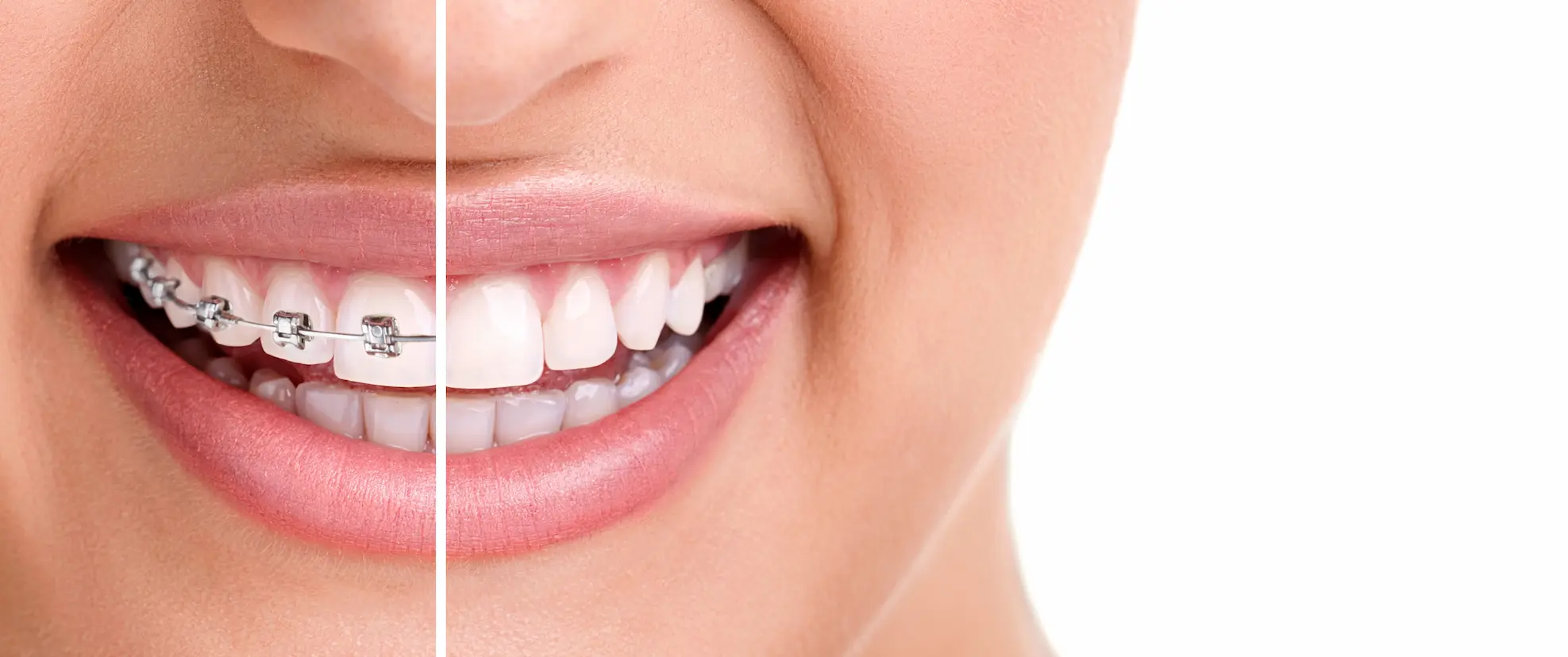
Veneers, bonding, whitening, and clear aligners each solve different problems
Cosmetic dentistry is often discussed as if all treatments are interchangeable. They are not. The ideal option depends on what is being corrected and how conservative the plan should be.
Whitening is the least invasive starting point for many people. It can lift years of coffee, tea, red wine, or age-related yellowing, especially when enamel is otherwise healthy. Yet whitening has limits. It will not change tooth shape, it may not affect old fillings or crowns, and it can expose color mismatch if existing dental work was made to match darker teeth.
Bonding is useful when the shape issue is minor, such as small chips, black triangles, worn edges, or a tooth that needs slight widening or lengthening. It can be beautifully conservative. Skilled bonding can be one of the most cost-effective cosmetic upgrades in dentistry. The trade-off is longevity. Bonded resin is more prone to chipping, staining, and surface wear than ceramic, especially in patients who bite hard, grind, or eat a lot of staining foods.
Veneers are often the best answer when shape, color, alignment illusion, and symmetry all need improvement at once. A well-planned veneer case can transform a smile with precision that direct bonding cannot always match. But veneers are not a casual purchase. They require careful preparation, provisional design, and a clear understanding of how much natural tooth will be modified, if any. Minimal-prep and no-prep cases exist, but they are not suitable for everyone. Adding bulk to already prominent teeth can create a result that looks puffy or overcontoured.
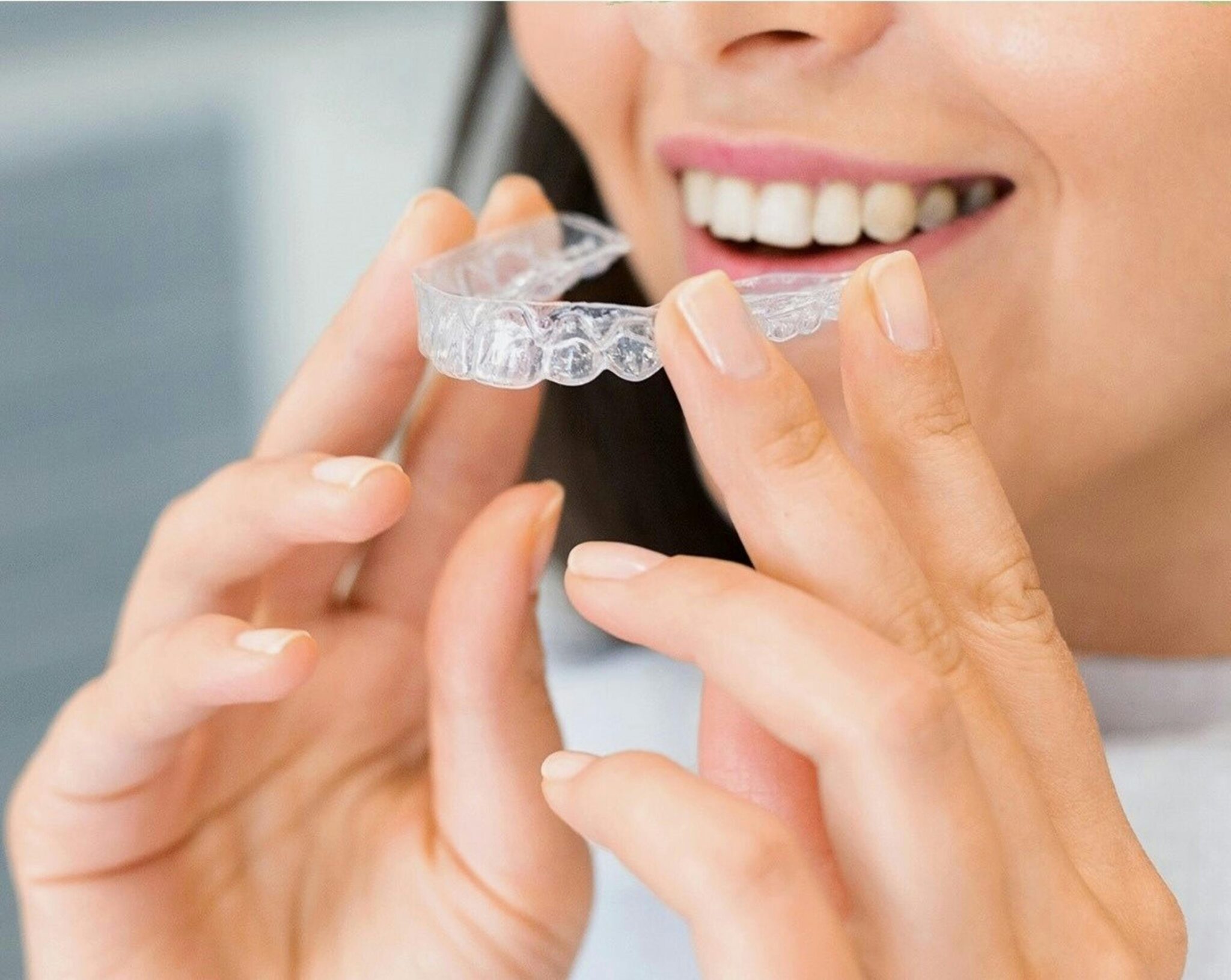
Clear aligners occupy another important lane. Many cosmetic concerns that seem to require veneers can actually be improved first with tooth movement. Rotations, crowding, spacing, and bite discrepancies often respond well to aligner therapy. Sometimes the smartest sequence is alignment first, then whitening, and only then small amounts of bonding or a limited number of veneers. That approach preserves more enamel and often looks more natural.
Why bite matters more than many patients expect
A smile may look beautiful in a still photograph and still be set up to fail. That usually happens when bite mechanics are Cosmetic Dentistry Bakersfield CA Toothworks of Bakersfield, Dentist and Orthodontist ignored.
The front teeth should not just look even. They should meet the opposing teeth in a way that allows comfortable function. If a patient has a deep bite, edge-to-edge wear pattern, crossbite, or parafunctional habits such as clenching, cosmetic restorations face higher stress. Front veneers can chip. Bonding can shear off. Porcelain can crack. Gum recession can expose margins over time, changing the look of the whole case.
In practical terms, a dentist planning cosmetic work should ask questions that seem unrelated to appearance. Do your jaw muscles feel tight in the morning? Have you noticed flattening of the back teeth? Do you wake with headaches? Has a spouse heard grinding? Those answers often influence treatment as much as the shade guide does.
Night guards are not glamorous, but they protect investment. For many patients, especially those with a history of wear, a custom occlusal guard is not an optional add-on. It is part of making the cosmetic result last.
Gum health sets the stage
People often focus on tooth color and shape because they are easiest to notice. Yet inflamed gums can undermine even excellent cosmetic work. Puffy tissue changes the frame around the teeth. Bleeding during impressions or scans complicates precision. Chronic inflammation also raises the risk that a beautiful margin will look less beautiful six months later.
Sometimes a cosmetic case needs a periodontal phase first. That may mean routine hygiene and improved home care. In other cases, it means reshaping excess gum tissue to balance the smile. A gummy smile can sometimes be improved with contouring, though the cause matters. Extra gingival display may come from tooth eruption patterns, lip movement, or jaw position. Treating all gummy smiles the same is a mistake.
A strong cosmetic result depends on stable tissue. The prettiest veneer in the room cannot compensate for unhealthy gums.
Digital tools have improved planning, but they do not replace taste
Modern cosmetic workflows often include digital scans, facial photography, design software, and mock-ups that help patients preview likely outcomes. These tools are valuable. They improve communication, reduce guesswork, and help the patient understand what changes in length, width, and contour will do to the overall smile.
Still, technology does not make decisions. It presents possibilities. A digital rendering can tempt both patient and dentist toward overdesign, especially if the preview favors idealized symmetry that no real face naturally carries. Real smiles move. They animate during speech. They show different amounts of tooth from different angles. They age.
The strongest clinicians use digital planning as a guide, then temper it with experience. They know when to soften an edge, preserve a slight individuality in a lateral incisor, or avoid excessive incisal length that will click against the lower teeth every time the patient talks. Software can suggest a smile. It cannot wear one.
The most common cosmetic mistakes are surprisingly consistent
After years of seeing both excellent dentistry and dentistry that had to be redone, a pattern emerges. The same errors surface again and again. They are not always dramatic. Often they are small decisions that accumulate into a result that feels wrong.
Here are five problems that deserve attention:
- Choosing a shade that is too bright for the face and age of the patient
- Making every front tooth the same shape and width, which flattens character
- Ignoring bite issues that later fracture or loosen the cosmetic work
- Placing restorations with bulky contours that trap plaque and irritate gums
- Treating only the front view while overlooking side angles, speech, and function
Patients do not need to memorize that list, but they should know enough to ask good questions. If a consultation focuses only on color and cost, with little discussion of bite, tissue, and long-term maintenance, it is incomplete.
How age changes cosmetic choices
A 24-year-old and a 64-year-old may both ask for a better smile, but their treatment needs are rarely identical. Younger patients often have thicker enamel, healthier gums, fewer existing restorations, and stronger interest in conservative options. Whitening, orthodontics, and additive bonding may go a long way.
Older patients may be managing prior dental work, recession, cracked fillings, wear, and shifting bite relationships. In these cases, cosmetic treatment sometimes overlaps with restorative dentistry. The question is not just what looks better, but what will stabilize the mouth for the next ten to fifteen years. A smile makeover for an older patient may involve replacing crowns, adjusting worn edges, and rebuilding function while improving esthetics.
Age also changes how much tooth shows at rest. Many younger adults display more upper incisor naturally. As the face matures, that display often decreases. Trying to force a very youthful tooth display onto an older face can look strange if the proportions are not carefully managed. Again, this is where restraint and judgment separate refined cosmetic work from obvious cosmetic work.
The consultation should cover maintenance, not just transformation
Every cosmetic treatment comes with upkeep. Teeth continue to age. Coffee continues to stain. Gumlines can shift. Bonding may need polishing or repair. Veneers and crowns are durable, but they are not permanent in the literal sense. They can last many years with good care, yet they still live in a high-load, wet, bacteria-rich environment.
A useful cosmetic consultation should explain daily maintenance in plain terms. Patients should know whether they will need a night guard, what whitening touch-ups might be required, how often polishing is recommended, and what habits threaten longevity. Nail biting, ice chewing, pen chewing, and opening packages with the front teeth remain terrible ideas, no matter how expensive the smile is.
For many people, the better question is not “How long will this last?” but “What will I need to do to help it last well?” That leads to a more honest discussion.
Cost, value, and when a phased plan makes sense
Cosmetic dentistry can range from modest to substantial in cost, depending on the materials, number of teeth, complexity of the bite, and whether the case involves specialists or laboratory artistry. It helps to think in terms of value rather than shopping only by line item.
A lower fee for veneers that look opaque, require frequent replacement, or create gum problems is not a bargain. At the same time, not every patient needs a comprehensive makeover. A phased plan often serves patients better. Whitening first, alignment second, and conservative bonding last can spread costs over time and reveal that fewer restorations are needed than initially expected.
A thoughtful phased approach often follows a sequence like this:
- Stabilize oral health, including gum care and any urgent restorative needs
- Improve position with orthodontics if alignment is a major factor
- Whiten natural teeth to establish a new baseline shade
- Refine shape with bonding or veneers only where necessary
- Protect the result with maintenance and nightguard therapy when indicated
This sequence is not universal, but it reflects a conservative philosophy that often preserves more natural tooth structure and leads to a more harmonious result.
Choosing a provider for Cosmetic Dentistry Bakersfield CA
The right cosmetic dentist is not simply the one with the most dramatic photo gallery. Strong before-and-after images matter, but context matters more. Were the cases similar to yours? Do the photos show natural texture and believable translucency? Does the office discuss function and tissue health, or only esthetics? Are provisionals and mock-ups part of the process for larger cases? Is there coordination with a ceramist who understands nuanced shade and contour?
Experience shows up in the questions a dentist asks and the things they refuse to rush. It also shows up in their willingness to say no to the wrong treatment. A patient requesting veneers on healthy but mildly crowded teeth may be better served by aligners and whitening. A trustworthy clinician will say that even if veneers would cost more.
For patients researching Cosmetic Dentistry Bakersfield CA, it is reasonable to ask how the office approaches smile design, what options they typically compare, how they handle grinding patients, and what maintenance looks like after delivery. Good cosmetic care should feel custom, not scripted.
The best smiles still look like the person who owns them
The strongest cosmetic cases are rarely the most aggressive. They are the ones that respect biology, personality, and proportion. They account for how the patient laughs, how they speak, how they bite into a sandwich, and how their face changes when they are tired, animated, or standing in full sun. They solve the problem the patient actually has, not the trend someone else is chasing.
That might mean six veneers. It might mean two. It might mean no veneers at all, just aligners, whitening, and a small amount of bonding. It might mean rebuilding worn edges because the Cosmetic Dentistry Bakersfield CA true issue was years of grinding, not bad luck with tooth shape. The point is not to fit every patient into one cosmetic category. The point is to diagnose well, design carefully, and execute with enough precision that the result feels inevitable, as though the smile was always meant to look that way.
Modern smile design has made cosmetic dentistry more individualized than ever. For patients in Bakersfield, that is a good thing. It means the best result is no longer defined by maximum whiteness or uniformity. It is defined by fit, function, and authenticity. When those pieces come together, cosmetic dentistry stops looking like cosmetic dentistry. It just looks right.
Toothworks of Bakersfield, Dentist and Orthodontist
Address: 1030 H St #1, Bakersfield, CA 93304
Phone number: +16613239421
FAQ About Cosmetic Dentistry Bakersfield CA
What is considered cosmetic dentistry?
Cosmetic dentistry includes any dental treatment focused primarily on improving the appearance of your teeth, gums, or bite rather than treating a disease or restoring basic function.
How much does cosmetic dentistry usually cost?
The cost of cosmetic dentistry typically ranges from a few hundred dollars for minor touch-ups to over $20,000 for a comprehensive smile makeover, depending entirely on the specific procedure, materials used, and how many teeth are treated. Because most cosmetic treatments are elective, they are usually paid out of pocket without insurance coverage.
Is there a difference between a regular dentist and a cosmetic dentist?
Yes, a regular dentist focuses on your overall oral health and preventing disease, while a cosmetic dentist focuses on improving the look of your smile.
Corrections
Spot something wrong? Send it to the desk and it gets fixed in the open.