Why Smile Makeovers Start With Cosmetic Dentistry Bakersfield CA
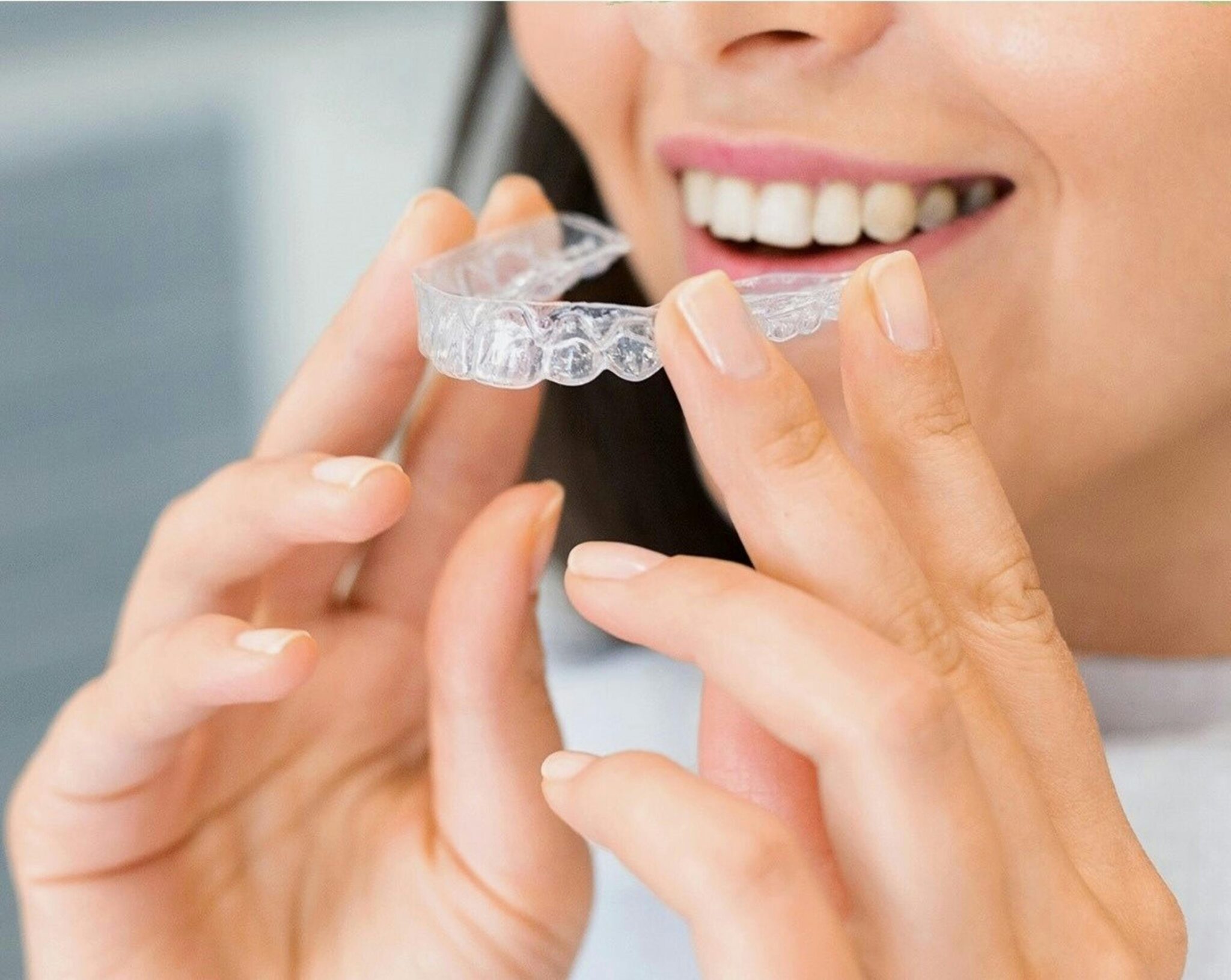
A smile makeover rarely begins with veneers, whitening gel, or a before-and-after photo. It starts much earlier, with a careful look at how a person speaks, bites, smiles, and feels about their appearance. That is why so many successful transformations begin with cosmetic dentistry Bakersfield CA. The best outcomes are not built around a single procedure. They are shaped around the patient.
People often walk into a dental office saying they want straighter, whiter, or more even teeth. What they usually mean is more personal. They want to stop covering their mouth in photos. They want to look rested instead of worn down. They want their smile to match the way they feel inside. Some have a specific complaint, like a chipped front tooth after years of coffee staining. Others just know that something feels off, but they cannot name it.
A true smile makeover solves that disconnect. It blends appearance with function, confidence with comfort, and artistry with clinical judgment. Cosmetic dentistry is where that process starts because it provides the framework for evaluating every part of the smile, not just the obvious flaws.
A smile makeover is more than a cosmetic wish list
One of the most common misunderstandings about smile makeovers is the idea that they are a menu of elective treatments. Whitening, bonding, veneers, crowns, aligners, gum reshaping, implants, these are tools, not goals. The goal is a smile that looks natural, works comfortably, and fits the face.
That distinction matters. A patient may come in asking for veneers because they saw a celebrity smile online, but veneers may not address the root issue if the teeth are crowded, worn from grinding, or framed by uneven gums. In another case, someone may think they need orthodontics when a subtle combination of bonding and whitening would get them where they want to be faster and with less expense.
Cosmetic dentistry brings discipline to the planning stage. It asks the right questions before a single tooth is touched. What is bothering the patient most? What can be improved conservatively? Is the bite stable? Are there habits, like clenching or nail biting, that could sabotage the result? Is the patient aiming for a dramatic change or a refined version of their natural smile?
Those questions are especially important because dental work, even aesthetic dental work, has a lifespan. The best cosmetic plans respect existing tooth structure and avoid overtreatment. A smile makeover done well should not look like dental work. It should look toothworksofbakersfield.com Cosmetic Dentistry Bakersfield CA like a healthier, brighter, more balanced version of the person who already exists.
Why the first appointment matters so much
In practice, the first consultation often reveals more than the patient expects. A person may focus on yellowing teeth, but the bigger issue turns out to be worn edges that shorten the smile and make the face look older. Another may complain about one crooked tooth, only to learn that a narrow arch, old fillings, and gum asymmetry are all contributing to the appearance.
This is where experience shows. Cosmetic dentists do not just inspect teeth individually. They evaluate proportion, symmetry, lip line, gum display, tooth shape, facial movement, and occlusion. They notice whether one side of the smile lifts higher than the other. They look at how much tooth shows at rest, which changes with age. They assess whether existing restorations match natural enamel under different light.
In Bakersfield, many adults seeking cosmetic dental care are balancing practical concerns with aesthetic goals. They are busy professionals, parents, business owners, retirees, and younger adults preparing for weddings, job changes, or milestone events. They want treatment that fits real life. They also tend to be savvy. They ask about durability, maintenance, and whether the results will still look good five or ten years from now.
A strong cosmetic consultation addresses all of that. It should feel less like a sales pitch and more like strategic planning.
Cosmetic dentistry creates the blueprint
A smile makeover starts with cosmetic dentistry because cosmetic dentistry is the field most focused on smile design. General dentistry protects oral health. Orthodontics moves teeth. Periodontics manages gum health. Oral surgery handles extraction and implant placement when needed. Cosmetic dentistry often coordinates these specialties into a cohesive aesthetic plan.
That coordination is where many smile makeovers succeed or fail.
Consider a patient with worn front teeth, slight spacing, and old bonding that no longer matches. If the case is approached casually, the patient might receive new bonding on the front edges and leave reasonably happy for a year or two. But if the bite is unstable and the patient clenches at night, the bonding may chip. If the color is chosen before whitening the adjacent teeth, the restorations may soon look too dark. If the smile line is not balanced, even excellent craftsmanship can still look visually off.
A cosmetic approach sees the whole picture first. It establishes sequence. Sometimes that means whitening before veneers. Sometimes it means orthodontic alignment before replacing restorations. Sometimes it means addressing gum contour before final ceramic work. The order changes based on the person, but the need for a blueprint does not.
What cosmetic dentists evaluate before recommending treatment
The planning stage is far more detailed than many people realize. A dentist experienced in smile makeovers is often looking at several categories at once:
- Tooth color, including internal staining, surface staining, and mismatch between natural teeth and existing restorations.
- Tooth shape and proportion, such as short incisors, flattened edges, narrow laterals, or uneven wear.
- Alignment and spacing, including crowding, rotations, black triangles, and midline discrepancies.
- Gum architecture, especially excess gum display, uneven margins, or inflammation that can affect final appearance.
- Bite function, jaw habits, and enamel wear patterns that may determine what materials and designs are safest long term.
None of these exists in isolation. A bright white veneer placed on a short, worn tooth may still look tired if the length is not corrected. Straight teeth can still look unbalanced if the gumline is irregular. Beautiful crowns can fracture if the bite force is ignored. Cosmetic dentistry Bakersfield CA tends to work best when these details are studied together rather than treated piecemeal.
The difference between fixing teeth and designing a smile
A patient once described it perfectly after reviewing mock-up photos of her case. She said, “I thought I needed prettier teeth. What I really needed was a smile that made sense on my face.”
That is the shift. Cosmetic dentistry is not just tooth repair with better polish. It is facially aware treatment planning. It considers how teeth support the lips, how smile width affects expression, and how texture and translucency influence realism. Good cosmetic work is rarely about making every tooth identical. Natural smiles have variation, and skilled dentists preserve or recreate that variation intentionally.
This is also why cookie-cutter treatment plans can disappoint. Two patients may both have chips, discoloration, and mild misalignment, but one may benefit from clear aligners and whitening while the other is a better candidate for porcelain restorations due to enamel loss and old dental work. Same complaint, very different biology.
Patients usually feel the difference when a cosmetic plan is custom rather than generic. The conversation becomes more precise. The dentist explains why one option is more conservative, why another is more durable, or why a certain shade will harmonize better with skin tone and neighboring teeth. That level of specificity builds trust because it reflects judgment, not just availability of procedures.
Bakersfield patients often need practical, staged treatment
One reason smile makeovers frequently begin with cosmetic dentistry Bakersfield CA is that many patients need a phased plan instead of a one-visit transformation. Life is rarely neat enough for a complete overhaul in a single burst.
A patient may need to spread treatment over several months for financial reasons, work commitments, healing time, or personal comfort. Cosmetic planning makes this possible without losing the end vision. The dentist can prioritize health first, aesthetics second, or combine them thoughtfully.
For example, a staged plan might start with periodontal care and whitening, move into clear aligner therapy, and finish with selective bonding or veneers where needed. Another patient may replace failing visible crowns first, then return later for whitening and contouring of adjacent teeth. When staged properly, each phase supports the next instead of creating rework.
That is a practical advantage patients often overlook. Cosmetic dentistry is not only about appearance. It is also about sequencing treatment intelligently so the final result is cohesive.
The most common smile makeover tools, and when they truly help
People often ask which treatment gives the biggest visual change. The honest answer is that impact depends on the starting point. Sometimes whitening creates a dramatic lift. In other cases, whitening does very little because the real issue is shape, wear, or alignment.
Here is where each common option tends to shine:
- Teeth whitening works best when the underlying tooth form is healthy and the main issue is generalized discoloration.
- Cosmetic bonding is useful for small chips, minor shape corrections, and closing limited spaces conservatively.
- Porcelain veneers can transform color, proportion, and surface uniformity when enamel, wear, or old restorations limit simpler options.
- Clear aligners improve tooth position and often make later cosmetic work more conservative.
- Crowns or implants may be necessary when teeth are structurally compromised or missing, especially in the smile zone.
The important point is not which treatment sounds most impressive. It is which one solves the right problem with the least unnecessary sacrifice of healthy tooth structure.
Why conservative planning matters
There is a temptation in cosmetic dentistry to chase instant perfection. Patients see idealized images online and assume the fastest route is also the best route. In reality, aggressive dentistry can create long-term maintenance issues that no one mentions in marketing photos.
Removing too much enamel for veneers on teeth that could have been aligned first is one example. Replacing healthy tooth structure simply to make everything uniformly white is another. Overbuilt restorations can change speech, alter bite comfort, and create an artificial appearance that draws attention for the wrong reasons.
Conservative cosmetic dentists tend to ask a different question: how much can we improve while preserving what nature already did well?
That philosophy often leads to better long-term satisfaction. Teeth that keep more natural enamel generally bond better and wear more predictably. Smiles that retain subtle individuality usually age more gracefully. Patients who understand the trade-offs behind each option make better decisions and regret less.
The role of function in a beautiful smile
It is easy to treat function and aesthetics as separate worlds. In actual practice, they are tightly linked.
Front teeth are not just visible. They guide speech, support lip position, and interact with the lower teeth during movement. If a smile makeover ignores bite dynamics, even beautiful restorations can chip, loosen, or feel bulky. Patients may say something feels “off” without being able to explain why.
That feeling often traces back to function. Maybe the new edges are too long for the patient’s speech pattern. Maybe the back teeth are not sharing force properly, so the front teeth are overloaded. Maybe years of grinding have shortened the natural teeth and tightened the bite, making simple cosmetic enhancement more complicated than expected.
This is another reason smile makeovers start with cosmetic dentistry rather than with isolated procedures. Cosmetic dentists who handle full smile planning understand that visual success is inseparable from comfort and usability. A great smile should photograph well, yes, but it should also let the patient chew, laugh, and speak without constantly noticing it.
What patients should look for in a cosmetic dentist
Not every dentist approaches smile makeovers the same way. Training, aesthetic sensibility, communication style, and planning philosophy vary widely. Patients do not need to become dental experts overnight, but they should know how to evaluate the process.
A worthwhile cosmetic consultation usually includes detailed photographs, a review of bite and gum health, discussion of multiple treatment paths when appropriate, and realistic conversation about maintenance. Before-and-after cases can be helpful, but they should not be the only selling point. The stronger signal is how thoroughly the dentist listens and how clearly they explain the reasons behind their recommendations.
It is also wise to ask whether a mock-up, digital preview, or provisional phase will be used in more involved cases. Those tools can help patients visualize shape and length before final restorations are made. They reduce surprises and make the process more collaborative.
In many cases, the right provider is not the one promising the fastest makeover. It is the one thinking several steps ahead.
Realistic expectations lead to better results
One of the healthiest parts of cosmetic treatment planning is expectation setting. Good dentists do not promise flawless symmetry or permanent stain resistance. They explain limits.
Whitening may not change the color of existing crowns or fillings. Bonding may need touch-ups over time, especially in patients who bite pens or grind. Veneers are durable, but they are not indestructible. Aligners move teeth well in many cases, but some movements require more time or refinement than initially expected.
These are not drawbacks so much as realities. Patients usually appreciate honesty, especially when investing significant time and money. A smile makeover is deeply personal. People want to feel guided, not sold to.
That honesty also protects the artistry of the final result. When the dentist and patient agree on what “better” means, treatment becomes more focused. Some patients want subtle and believable. Others want bright and polished. Neither is wrong, but the plan should match the preference.
Why confidence often changes before treatment is even finished
An interesting thing happens during many smile makeovers. Patients begin to feel better before the final ceramics are seated or the last aligner is worn. The reason is simple. They have a plan, and for the first time, the plan feels specific.
Someone who has hidden a chipped tooth for years often relaxes after seeing a diagnostic mock-up. A patient embarrassed by discoloration may become more social after the whitening phase, even though alignment or restorative work is still ahead. Progress matters psychologically.
That emotional component is easy to underestimate. Cosmetic dentistry is clinical work, but its effects are visible in ordinary daily moments. People smile differently at work, in family photos, on video calls, and in conversation. They stop managing their expression around their insecurities. That kind of change rarely comes from a rushed, one-size-fits-all treatment. It comes from thoughtful planning and stepwise execution.
Smile makeovers last longer when maintenance is part of the plan
The finish line is not the final appointment. Any worthwhile smile makeover includes a maintenance strategy. This is especially true for porcelain, bonding, whitening, and implant-supported restorations.
Patients should expect guidance on home care, recall intervals, protective night guards if they grind, and how foods and habits may affect longevity. Coffee, red wine, smoking, hard ice chewing, and untreated clenching all have consequences. Not every habit ruins cosmetic work, but every habit matters.
Maintenance also includes touch-up thinking. Whitening may need periodic refreshers. Bonding may need occasional polishing or repair. Gum health needs to stay stable so the symmetry of the smile remains intact. Cosmetic dentistry is not fragile when done well, but it does reward consistency.
That is another reason to begin with an experienced cosmetic provider rather than chasing a quick aesthetic fix. Durable beauty usually comes from planning that includes the years after treatment, not just the reveal day.
Where the best smile makeovers really begin
People often assume a smile makeover starts when the dentist picks up a handpiece. In reality, it starts during the first careful conversation, the first set of photos, the first honest discussion about goals, trade-offs, and possibilities. It starts when someone stops asking, “What procedure do I need?” and starts asking, “What is the smartest way to improve my smile?”
That is why smile makeovers so often begin with cosmetic dentistry Bakersfield CA. Cosmetic dentistry provides the lens that turns scattered concerns into a coherent plan. It respects biology, function, aesthetics, and the patient’s lived reality. It does not chase trends. It builds results that make sense, look natural, and hold up under real use.
A polished smile is the visible outcome, but the real foundation is judgment. When that judgment is sound, every treatment that follows has a better chance of succeeding. And that is the true starting point of a smile makeover.
Toothworks of Bakersfield, Dentist and Orthodontist
Address: 1030 H St #1, Bakersfield, CA 93304
Phone number: +16613239421
FAQ About Cosmetic Dentistry Bakersfield CA
What is considered cosmetic dentistry?
Cosmetic dentistry includes any dental treatment focused primarily on improving the appearance of your teeth, gums, or bite rather than treating a disease or restoring basic function.
How much does cosmetic dentistry usually cost?
The cost of cosmetic dentistry typically ranges from a few hundred dollars for minor touch-ups to over $20,000 for a comprehensive smile makeover, depending entirely on the specific procedure, materials used, and how many teeth are treated. Because most cosmetic treatments are elective, they are usually paid out of pocket without insurance coverage.
Is there a difference between a regular dentist and a cosmetic dentist?
Yes, a regular dentist focuses on your overall oral health and preventing disease, while a cosmetic dentist focuses on improving the look of your smile.
Corrections
Spot something wrong? Send it to the desk and it gets fixed in the open.